
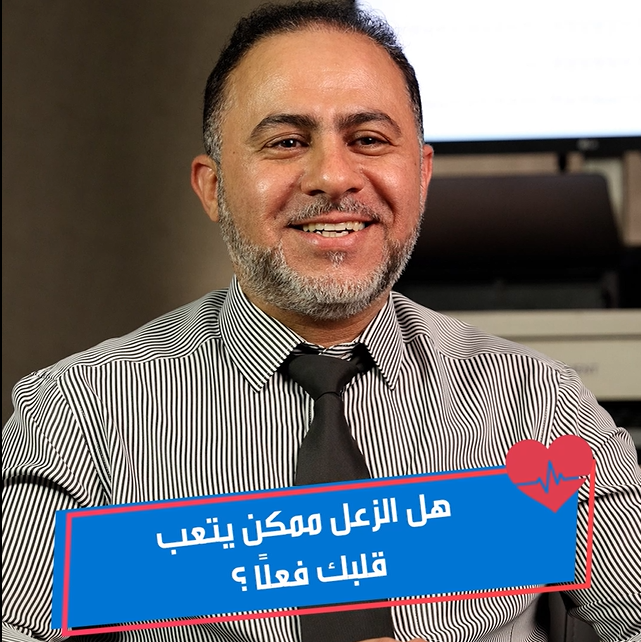
The connection between emotions and the heart is real.
When we experience intense stress, fear or emotional distress, the body activates what is commonly known as the fight-or-flight response.
Stress hormones such as adrenaline are released. These hormones can temporarily increase heart rate and blood pressure and prepare the body to respond to a perceived threat.
This is why, during intense stress, you may notice:
- A faster heartbeat.
- Stronger or more noticeable heartbeats.
- Faster breathing.
- Muscle tension.
- A heightened awareness of your heartbeat.
These changes do not automatically mean that the heart muscle has been damaged.
However, there is a rare but important condition called:
Takotsubo syndrome
also known as stress-induced cardiomyopathy or broken heart syndrome.
In this condition, a severe emotional or physical stressor can be associated with temporary weakening of part of the heart muscle. Symptoms can resemble those of a heart attack, including chest pain and shortness of breath.
Importantly, broken heart syndrome is a real cardiac condition—not simply ordinary emotional distress. It requires medical evaluation and can occur even in people without a previous history of heart disease.
At the same time, another important distinction is needed:
Not every heart attack that happens after an upsetting event was caused by the emotional stress itself.
Psychological stress can influence cardiovascular risk and may contribute to behaviors and factors associated with heart disease. However, the presence of an emotional trigger immediately before symptoms does not allow us to determine the cause without appropriate evaluation.
This is why we want to avoid two opposite mistakes:
Mistake #1:
“It happened after stress, so it must be anxiety.”
Mistake #2:
“It happened after stress, so it must be a heart attack.”
The right approach is:
Evaluate the symptoms first, then determine the cause.
7. Key Takeaway 🧠
Stress can affect the heart, but the presence of stress does not determine the cause of your symptoms.
Acute stress can temporarily increase heart rate and blood pressure.
In rare cases, severe emotional or physical stress can be associated with Takotsubo syndrome, a genuine cardiac condition that can resemble a heart attack.
Long-term psychological stress may also contribute to cardiovascular risk through physiological effects and health behaviors.
Emotions are part of the story—but they are not necessarily the whole story.
8.How Does a Cardiologist Think? 🩺
If a patient says:
“Doctor, ever since that stressful event, I feel something has changed in my heart.”
A cardiologist should not immediately respond:
“It’s just stress.”
But they also should not assume:
“It’s definitely your heart.”
Instead, the evaluation begins with questions:
- What exactly are you feeling?
- Is it palpitations, chest pain or shortness of breath?
- When did it start?
- Did it begin during or immediately after the stressful event?
- How long does it last?
- Does it occur with physical exertion?
- Are there episodes of dizziness or fainting?
- Is there cold sweating or nausea?
- Do you have a history of heart disease?
- Do you have cardiovascular risk factors such as high blood pressure, diabetes, smoking or high cholesterol?
The physician then decides whether the symptoms require urgent evaluation and whether tests such as an ECG, blood tests, echocardiography, rhythm monitoring or other investigations are appropriate.
Because timing alone does not establish a diagnosis.
9.Tests Your Doctor May Recommend 🔬
Not everyone who experiences emotional stress needs cardiac testing.
The appropriate evaluation depends on the type and severity of symptoms, cardiovascular risk factors and clinical findings.
Electrocardiogram (ECG)
May be one of the initial tests when chest pain, palpitations or other symptoms raise concern for a cardiac cause.
Blood tests
Depending on the situation, these may include cardiac troponin when acute myocardial injury is suspected.
Echocardiogram
Can evaluate heart muscle function and wall motion and may be particularly useful when Takotsubo syndrome or another cardiac condition is suspected.
Holter or ambulatory rhythm monitoring
May be useful when recurrent or intermittent palpitations are the main symptom.
Coronary imaging or other testing
May be appropriate when symptoms and initial findings raise concern for coronary artery disease.
The goal is not to order as many tests as possible.
The goal is to choose the test that answers the right clinical question.
10. Frequently Asked Questions ❓
Can emotional stress cause a fast heartbeat?
Yes. Stress activates the body’s fight-or-flight response, which can temporarily increase heart rate and blood pressure.
Can stress cause a heart attack?
Psychological stress can affect cardiovascular risk and may contribute to several risk factors, but a heart attack occurring after an emotional event should not automatically be attributed to stress.
What is broken heart syndrome?
Takotsubo syndrome, also called stress-induced cardiomyopathy or broken heart syndrome, is a cardiac condition that can occur after severe emotional or physical stress. It can temporarily weaken part of the heart muscle and may resemble a heart attack.
Is broken heart syndrome dangerous?
It can cause serious complications during the acute phase and, in rare cases, can be fatal. However, it is often treatable, and many patients recover within weeks.
If I have chest pain after an upsetting event, how do I know whether it is stress?
You cannot determine the cause based on timing alone. Chest pain after emotional stress may be related to stress, but it can also have a cardiac or other medical cause. Severe or persistent chest pain, especially when accompanied by shortness of breath, cold sweating, nausea or lightheadedness, requires urgent medical evaluation.
Does every episode of stress-related palpitations require testing?
Not necessarily. Brief palpitations during stress are common. However, recurrent, prolonged or unexplained palpitations—or palpitations associated with dizziness, fainting, chest pain or shortness of breath—should be medically evaluated.
11.Infographic Summary 📊
STRESS AND THE HEART — WHAT’S THE CONNECTION?
Severe Stress 😟
⬇️
Fight-or-Flight Response 🧠
⬇️
Temporary Increase in Heart Rate ❤️
⬇️
Temporary Increase in Blood Pressure 🩸
In rare cases:
Severe Emotional Stress 💔
⬇️
Takotsubo / Broken Heart Syndrome ❤️
But remember:
Symptoms after stress ≠ automatically anxiety
And:
Symptoms after stress ≠ automatically a heart attack
The rule:
Evaluate the symptoms first… then determine the cause.
12.Dr. Malik’s Advice 💬
If you’ve been through intense emotional stress and suddenly feel that something has changed with your heart, don’t panic.
But at the same time, don’t simply say:
“It must be stress.”
If your symptoms are new, severe or different from what you normally experience, get evaluated.
Sometimes stress really is part of the picture.
Sometimes there is another underlying cause that needs attention.
Listen to your body—but don’t diagnose it yourself.
13. One-Minute Message ❤️
Emotions affect the heart… but they don’t explain everything.
14.Related Articles 🔗
- Not Every Palpitation During Stress Means Heart Disease
- Not Every Chest Pain Is a Heart Attack
- Not Every Cold Sweat Is Caused by the Heat
- Not Every Episode of Shortness of Breath Comes From the Lungs
- Not Every Fatigue Is Caused by the Heart
- What Is Broken Heart Syndrome?
15. Medical Disclaimer ⚠️
This content is intended for general health education and does not replace an individual medical evaluation.
Stress and emotional distress can affect the cardiovascular system, but symptoms such as chest pain, shortness of breath or palpitations cannot be attributed to stress alone without appropriate assessment.
If you experience severe or persistent chest pain or pressure, shortness of breath, cold sweating, nausea, severe dizziness or fainting—especially if these symptoms are new—seek urgent medical evaluation.
16.Scientific References 📚
- American Heart Association — Is Broken Heart Syndrome Real?
- American Heart Association — Stress and Heart Health.
- American Heart Association — Understand Your Risks to Prevent a Heart Attack.
- American Heart Association — Heart Attack, Stroke and Cardiac Arrest Symptoms.
- American College of Cardiology — Takotsubo Syndrome.