

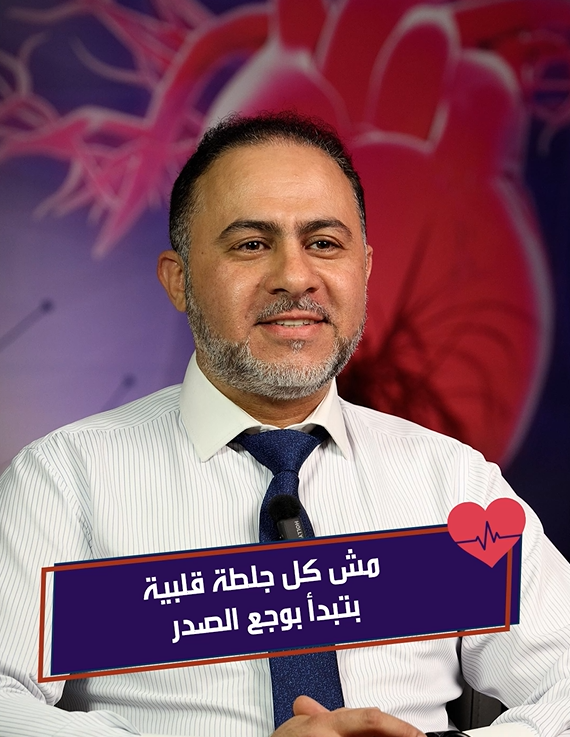
A heart attack does not always begin with severe chest pain. In some people, the warning signs may be less obvious and easier to overlook.
Do Heart Attacks Always Cause Chest Pain?
Many people believe that a heart attack always begins with severe or crushing chest pain.
Although chest pain or chest discomfort is the most common symptom, it is not the only possible warning sign. Some people may experience a heart attack without noticeable chest pain.
This is more common among:
- Older adults
- Women
- People with diabetes
- Patients with existing heart disease
Because the symptoms may be less typical, a heart attack can sometimes be difficult to recognize, which may delay diagnosis and treatment.
Possible Heart Attack Symptoms Without Chest Pain
A heart attack may present with one or more of the following symptoms:
- Sudden shortness of breath
- Cold sweats
- Unexplained severe fatigue
- Pain in the jaw, neck, shoulder, back, or arm
- Nausea
- Dizziness or light-headedness
- General weakness or unusual discomfort
For some patients, these symptoms may be the first indication of a heart attack, even without the classic crushing pain in the chest.
Why Early Recognition Matters
During a heart attack, blood flow to part of the heart muscle may become reduced or completely blocked.
The longer treatment is delayed, the greater the risk of permanent damage to the heart muscle.
Recognizing the warning signs early and seeking immediate medical attention can help:
- Reduce damage to the heart muscle
- Improve treatment outcomes
- Lower the risk of serious complications
- Increase the chances of recovery
Key Takeaway
Chest pain remains the most common symptom of a heart attack, but it is not the only one.
Older adults, women, and people with diabetes are more likely to experience atypical symptoms such as shortness of breath, sweating, severe fatigue, nausea, or pain in the jaw or shoulder.
In patients with chronic coronary artery disease, shortness of breath during physical activity may sometimes be the main symptom instead of chest pain.
How Does a Cardiologist Evaluate These Symptoms?
When a patient presents with symptoms that could indicate a heart attack, cardiologists do not rely on chest pain alone.
Instead, they assess the patient’s symptoms, medical history, risk factors, and clinical findings.
The doctor may ask questions such as:
- When did the symptoms begin?
- Did they start suddenly or gradually?
- Are you experiencing shortness of breath?
- Have you noticed cold sweats?
- Do you have pain in your jaw, shoulder, neck, back, or arm?
- Are you experiencing nausea, dizziness, or severe fatigue?
- Do you have diabetes, high blood pressure, or high cholesterol?
- Have you previously been diagnosed with heart disease?
The answers help the medical team determine how urgently further testing and treatment are required.
Tests Your Doctor May Recommend
If a heart attack is suspected, the initial evaluation may include:
Electrocardiogram
An electrocardiogram, also known as an ECG or EKG, records the electrical activity of the heart and may help identify signs of reduced blood flow or heart muscle damage.
Cardiac Troponin Blood Test
Troponin is a protein released into the blood when the heart muscle is damaged. Elevated troponin levels may indicate a heart attack.
Additional Blood Tests
Further laboratory tests may be performed depending on the patient’s symptoms, medical history, and overall condition.
Echocardiogram
An echocardiogram uses ultrasound to assess the structure and pumping function of the heart.
Coronary Angiography
Coronary angiography may be recommended when testing suggests an acute blockage in a coronary artery that requires urgent treatment.
The exact tests depend on the patient’s symptoms, medical history, examination findings, and initial test results.
Frequently Asked Questions
Can You Have a Heart Attack Without Chest Pain?
Yes.
Some heart attacks present mainly with shortness of breath, cold sweats, unusual fatigue, nausea, dizziness, or pain in the jaw, neck, shoulder, back, or arm.
This type of presentation is more common among older adults, women, and people with diabetes.
Does Shortness of Breath Always Mean a Heart Attack?
No.
Shortness of breath can have many possible causes. However, sudden or unexplained shortness of breath, especially when accompanied by sweating, nausea, weakness, dizziness, or pain in the upper body, requires urgent medical evaluation.
What Should I Do If These Symptoms Occur?
Seek emergency medical care immediately.
Do not wait for chest pain to develop, and do not attempt to diagnose the condition at home. Early treatment can help protect the heart muscle and improve outcomes.
Is an ECG Enough to Diagnose a Heart Attack?
Not always.
An ECG is an important test, but it is usually evaluated together with cardiac troponin blood tests, the patient’s symptoms, medical history, and clinical examination.
In some cases, additional testing may be required.
Infographic Content
Does Every Heart Attack Cause Chest Pain?
Chest pain is the most common symptom.
However, some people may experience:
- Sudden shortness of breath
- Cold sweats
- Severe or unexplained fatigue
- Jaw, neck, shoulder, back, or arm pain
- Nausea or dizziness
If these symptoms develop suddenly, seek emergency medical care immediately.
Dr. Malik’s Advice
“Do not rely on chest pain alone. Some of the most serious heart attacks begin with symptoms that patients never expect.”
One-Minute Message
Time does not protect your heart muscle—acting quickly does.
Related Articles
- Not Every Time You Feel Tired Climbing Stairs Is “Just Getting Older”
- Not Every Swollen Leg Is Caused by Standing Too Long
- Not Every Heart Palpitation Means Serious Heart Disease
Medical Disclaimer
This article is intended for educational purposes only and should not replace professional medical advice, diagnosis, or treatment.
If you experience symptoms that may suggest a heart attack, seek emergency medical care immediately.
Scientific References
- 2025 ACC/AHA Guideline for the Management of Patients With Acute Coronary Syndromes.
- Fourth Universal Definition of Myocardial Infarction. European Heart Journal. 2018.
- 2023 AHA/ACC Guideline for the Management of Chronic Coronary Disease. Journal of the American College of Cardiology.