

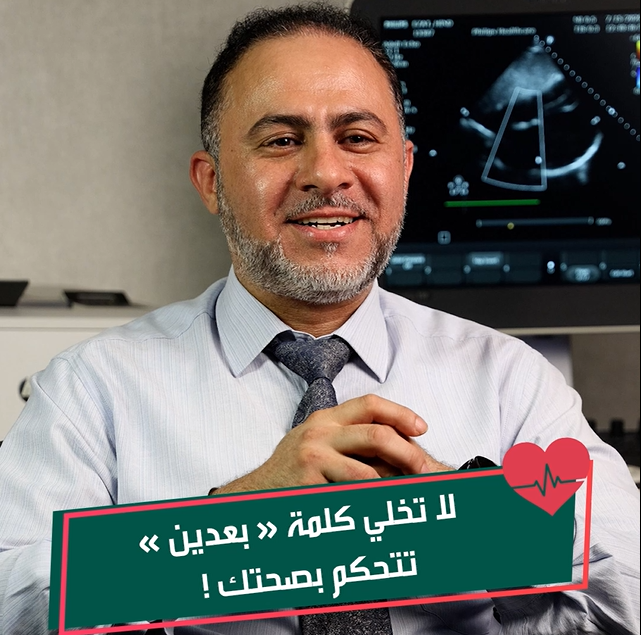
Many cardiovascular conditions develop without noticeable symptoms in their early stages. A person may have high blood pressure, elevated cholesterol, or abnormal blood glucose levels while feeling completely healthy.
That is why preventive care matters. Feeling well does not necessarily mean that your cardiovascular risk is low.
- Why shouldn’t you wait for symptoms?
Some of the most important cardiovascular risk factors, including high blood pressure and high cholesterol, can remain undetected for years.
Over time, these conditions may contribute to damage within the blood vessels and increase the likelihood of heart disease and stroke.
Early screening does not mean that you are sick. It means identifying potential risks early enough to make informed decisions and take action before complications develop.
- Which cardiovascular risk factors should you monitor?
Blood Pressure
High blood pressure often causes no obvious symptoms. Regular blood pressure measurements are important, particularly for people with additional risk factors or a family history of cardiovascular disease.
Cholesterol and Blood Lipids
Elevated LDL cholesterol can contribute to plaque buildup in the arteries over time. A lipid profile helps your healthcare professional assess your cardiovascular risk and determine whether lifestyle changes or medication may be appropriate.
Diabetes and Blood Glucose
Persistently elevated blood glucose can damage blood vessels and increase cardiovascular risk. Depending on your age and risk profile, your doctor may recommend a fasting glucose test or an HbA1c test.
Smoking
Smoking is a major modifiable risk factor for cardiovascular disease. Quitting reduces cardiovascular risk, regardless of how long you have smoked.
Body Weight and Physical Activity
Excess body weight and physical inactivity can contribute to high blood pressure, abnormal cholesterol levels, and diabetes. Regular physical activity and a balanced diet help improve overall cardiovascular health.
- Does prevention mean everyone needs an ECG, echocardiogram, and extensive testing?
No. This is an important distinction.
Not everyone without symptoms needs an electrocardiogram, echocardiogram, exercise stress test, or coronary artery imaging.
A preventive assessment usually begins with a review of your medical and family history, blood pressure measurement, and evaluation of relevant risk factors. Your doctor may recommend laboratory tests based on your individual circumstances.
Additional testing is considered when there is a specific clinical reason.
The goal is not to order as many tests as possible. It is to choose the right test for the right person at the right time.
- Prevention is more than medical testing
Protecting your heart also depends on everyday habits:
Avoid smoking and other tobacco products.
Engage in regular physical activity.
Follow a balanced eating pattern and limit excess salt and highly processed foods.
Maintain a healthy body weight.
Get sufficient, consistent sleep.
Monitor blood pressure, cholesterol, and blood glucose when appropriate.
Take prescribed medications as directed, and do not stop them without consulting your healthcare professional.
Most importantly, don’t wait for a health problem to appear before making a change.
Key Takeaway🧠
High blood pressure and elevated cholesterol can remain silent for years. Feeling healthy is not enough to determine whether your cardiovascular risk is under control.
How Does a Cardiologist Think? 🩺
A cardiologist does not simply ask whether you have chest pain.
They look at the bigger picture:
How old are you?
Do you smoke?
Do you have high blood pressure or diabetes?
What are your cholesterol levels?
Is there a family history of premature cardiovascular disease?
Are you physically inactive or carrying excess weight?
Have you previously been diagnosed with heart or vascular disease?
Based on this information, your healthcare professional may use a cardiovascular risk assessment tool to estimate your risk and discuss an appropriate prevention strategy.
Tests Your Doctor May Recommend🔬
Depending on your age, medical history, and risk factors, your evaluation may include:
Blood Pressure Measurement: To identify and monitor high blood pressure.
Lipid Profile: To assess cholesterol and triglyceride levels.
Blood Glucose or HbA1c: To screen for diabetes or prediabetes when appropriate.
Kidney Function Tests: In selected cases, because kidney health is closely linked to cardiovascular risk.
Cardiovascular Risk Assessment: Using relevant clinical information and laboratory results.
Additional Cardiac Tests: Such as an ECG, echocardiogram, or coronary artery calcium scan, when clinically indicated.
Important: Not everyone needs every test listed above. The appropriate tests and screening intervals depend on individual risk factors and previous results.
Frequently Asked Questions ❓
- Should I have my heart checked if I have no symptoms?
You may still benefit from an assessment of your cardiovascular risk, even if you feel well. The type and timing of screening depend on your age, medical history, and family history.
- Can someone have high blood pressure without knowing it?
Yes. Many people with high blood pressure have no noticeable symptoms, which is why regular measurement is important.
- Do I need a cholesterol test if my weight is normal?
Possibly. A healthy body weight does not guarantee normal cholesterol levels. Screening decisions should take age, medical history, and other risk factors into account.
- Does a normal ECG mean my coronary arteries are healthy?
No. An ECG is useful in many clinical situations, but it cannot rule out every form of coronary artery disease or eliminate the need to assess cardiovascular risk factors.
- Is it still worth quitting smoking after many years?
Absolutely. Quitting smoking is beneficial at any stage and helps reduce the risk of cardiovascular disease.
- When should I seek urgent medical attention?
New chest pain or pressure, severe shortness of breath, cold sweats accompanied by concerning symptoms, or fainting should not be dismissed. Seek emergency medical care when these symptoms occur.
Infographic Summary: Don’t Wait for Symptoms to Protect Your Heart 📊
Six steps toward better cardiovascular health:
Check your blood pressure.
Monitor your cholesterol.
Check your blood glucose when appropriate.
Avoid tobacco.
Stay physically active.
Maintain a healthy weight and sleep routine.
Remember: Prevention starts before disease develops.
Dr. Malik’s Advice 💬
Don’t wait until you feel unwell to start taking care of your health.
Know your blood pressure. Understand your cholesterol and blood glucose levels. Talk to your doctor about your individual risk factors and what you should do next.
The goal isn’t to live in fear of disease. It’s to avoid giving it an opportunity through unnecessary delays.
The One-Minute Message ❤️
Prevention doesn’t just add years to your life. It adds life to your years.
Related Articles 🔗
A Normal Blood Pressure Reading at the Clinic Doesn’t Always Mean Your Blood Pressure Is Normal.
Not Every High Cholesterol Level Causes Symptoms.
Not Every Thin Person Has Normal Cholesterol.
Not Everyone Who Walks Regularly Has Healthy Coronary Arteries.
Not Every Normal Cholesterol Test Means Your Arteries Are Healthy.
Medical Disclaimer ⚠️
This content is intended for general educational purposes and does not replace individualized medical advice, diagnosis, or treatment. Screening recommendations and preventive care plans vary according to age, medical history, and individual risk factors. Seek urgent medical attention if you experience symptoms that may indicate a medical emergency.
Scientific References 📚
World Health Organization (WHO) – Cardiovascular Diseases.
American Heart Association (AHA) – Life’s Essential 8.
Centers for Disease Control and Prevention (CDC) – Preventing Heart Disease.
American Heart Association – Understand Your Risks to Prevent a Heart Attack.