

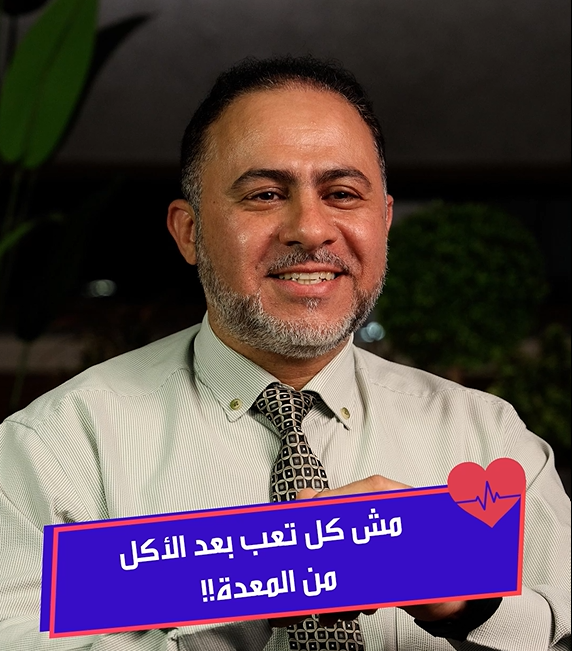
Feeling tired after a meal is common.
For many people, it has nothing to do with the heart.
Eating triggers normal physiologic changes in digestion, metabolism, blood flow, and cardiovascular function.
Most people adapt to these changes without difficulty.
But in some people with coronary artery disease, the situation can be different.
If a coronary artery is significantly narrowed, the heart may have limited ability to increase blood flow when myocardial oxygen demand rises.
Under certain circumstances, this mismatch between oxygen supply and demand can produce myocardial ischemia and symptoms.
How Can Eating Affect Heart Symptoms?🍽️
A meal—particularly a large meal—can produce several cardiovascular and metabolic changes.
The heart may need to respond to changes in circulation and metabolic demand.
In patients with significant coronary artery disease, the blood supply to areas downstream from a narrowed artery may not increase adequately when the heart’s needs rise.
This can contribute to myocardial ischemia.
Symptoms can include:
- Chest pressure or discomfort.
- Shortness of breath.
- Unusual fatigue.
- Discomfort involving the arm, jaw, upper abdomen, or other areas.
The 2021 AHA/ACC chest pain guideline emphasizes that anginal symptoms are not limited to classic chest pain. Shortness of breath and fatigue can also represent anginal equivalents in some patients. AHA Journals
What Happens After a Meal?❤️
There is no single mechanism responsible for every case of post-meal symptoms.
One important concept is that eating changes cardiovascular physiology and can increase the heart’s workload.
In patients with coronary artery disease, studies have shown that eating can alter coronary blood-flow patterns and may contribute to postprandial angina in susceptible individuals. PubMed
This may help explain why some patients report:
“After I eat, I feel tired or short of breath—and walking afterward makes it worse.”
That pattern deserves attention.
But Does Fatigue After Eating Mean Heart Disease?⚠️
Absolutely not.
Fatigue after a meal is nonspecific.
Common explanations include:
- Eating a very large meal.
- Poor sleep.
- Sleep disorders.
- Certain medications.
- Changes in blood glucose.
- Dehydration.
- Digestive problems.
- Metabolic conditions.
- Normal post-meal sleepiness in some individuals.
That is why fatigue alone cannot diagnose coronary artery disease.
The pattern of symptoms matters.
The Key Question: What Happens When You Walk?🚶
When a patient says:
“I get tired after eating.”
A cardiologist may ask:
Do you also become tired when walking?
What happens when you climb stairs?
Do symptoms appear with exertion and improve with rest?
Do you experience shortness of breath or chest pressure?
Are symptoms more noticeable after a large meal?
These details help the physician determine whether the symptoms fit a possible cardiac pattern.
Current American and European guidance emphasizes symptom characteristics, triggers, and cardiovascular risk factors when evaluating suspected coronary disease. AHA Journals
Key Takeaway🧠
Not every episode of fatigue after eating is cardiac—and not every episode is simply digestive.
The important thing is to understand:
- When the symptoms begin.
- What they feel like.
- Whether they occur with exertion.
- Whether they improve with rest.
- Whether they are accompanied by shortness of breath or chest discomfort.
- And what cardiovascular risk factors the patient has.
The diagnosis comes from the overall pattern, not from the meal itself.
How Does a Cardiologist Think?🩺
When a patient says:
“Doctor, I feel tired after eating.”
I don’t immediately say:
“It’s your stomach.”
And I don’t immediately say:
“It’s your heart.”
I start with questions.
First:
What exactly do you mean by “tired”?
Is it sleepiness?
General weakness?
Shortness of breath?
Chest heaviness?
Second:
When does it begin?
Immediately after eating?
Several minutes later?
Only after a large meal?
Third:
Does it happen with exertion?
Walking?
Climbing stairs?
Physical work?
Fourth:
Are there associated symptoms?
Shortness of breath?
Sweating?
Dizziness?
Chest pressure?
Jaw or arm discomfort?
Fifth:
What cardiovascular risk factors are present?
Diabetes?
High blood pressure?
Smoking?
High cholesterol?
Family history of heart disease?
The answers help determine whether the symptoms are more likely to be non-cardiac or whether cardiovascular evaluation is warranted.
Tests Your Doctor May Recommend🔬
Not everyone with fatigue after eating needs cardiac testing.
When the symptom pattern or cardiovascular risk profile raises concern, the evaluation may include:
1. Electrocardiogram — ECG
A basic test that can provide information about heart rhythm and certain cardiac abnormalities.
2. Blood tests
Depending on the situation, testing may include glucose, lipid levels, a complete blood count, or other laboratory studies.
3. Echocardiogram
An echocardiogram may be appropriate when there is concern about heart structure or function.
4. Exercise testing
In selected patients, exercise testing may help evaluate symptoms and their relationship to exertion and myocardial ischemia.
5. Coronary CT angiography
For some patients with stable symptoms and suspected coronary artery disease, coronary CT angiography may be an appropriate diagnostic option. The 2024 ESC guideline recommends a structured, risk-based approach to selecting diagnostic testing. Escardio
6. Functional imaging for ischemia
Depending on the patient’s clinical probability, previous test results, and local expertise, stress imaging may also be appropriate.
Frequently Asked Questions❓
Does feeling tired after eating mean I have blocked arteries?
No.
Fatigue after eating has many possible causes, and most episodes do not necessarily indicate coronary disease.
However, recurrent symptoms—especially when accompanied by shortness of breath or chest discomfort, or when they also occur with walking or exertion—deserve medical evaluation.
Why can a large meal trigger symptoms in some people with coronary artery disease?
Eating produces cardiovascular and metabolic changes that can increase physiologic demands. In some patients with coronary artery disease, these changes may contribute to myocardial ischemia and postprandial angina. PubMed
If my symptoms happen only after eating, does that mean they are digestive?
Not necessarily.
They may be digestive or related to food, but the symptom pattern should be considered, especially if there are cardiovascular risk factors or associated symptoms.
How can I tell the difference between digestive fatigue and a heart problem?
There is no reliable home test that can make this distinction.
However, shortness of breath, chest pressure or discomfort, sweating, dizziness, or symptoms that occur with exertion increase the importance of cardiovascular evaluation. AHA Journals
Do I need a cardiac evaluation if I feel sleepy after lunch?
Not necessarily.
Mild sleepiness after a meal is common and can have many explanations.
The greater concern is unusual fatigue, shortness of breath, chest discomfort, or symptoms associated with physical exertion.
When should I seek urgent medical attention?
If fatigue or shortness of breath occurs with chest pain or pressure, significant sweating, fainting, severe shortness of breath, or sudden concerning symptoms, seek urgent medical care. AHA Journals
Feeling Tired After Eating?
After a Meal🍽️
Fatigue or Shortness of Breath
⬇️
Ask Yourself:
Does it also happen when I walk?
⬇️
Does climbing stairs make it worse?
⬇️
Is there chest pressure or discomfort?
⬇️
Are there sweating, dizziness, or shortness of breath?
⬇️
Do I have diabetes, high blood pressure, smoking history, or high cholesterol?
⬇️
If the pattern is concerning:❤️
Don’t automatically assume it’s your stomach—discuss the symptoms with your doctor.
Dr. Malik’s Advice💬
If you repeatedly feel tired after eating, don’t try to diagnose the cause based on the meal alone.
Pay attention to the pattern:
When does it start?
What does it feel like?
Does it happen when you walk?
Does it become worse after a large meal?
Are there associated symptoms such as shortness of breath, chest pressure, sweating, or dizziness?
Those details may be much more informative than simply saying:
“I feel tired after eating.”
One-Minute Message❤️
Don’t just ask, “What did I eat?” Ask, “Why did my body become tired after eating?”
Related Articles🔗
- Not Every Chest Pain Is a Heart Attack.
- Not Every Time You Get Tired Climbing Stairs Is “Just Getting Older.”
- Not Every Shortness of Breath Comes From the Lungs.
- A Normal ECG Doesn’t Always Mean Your Heart Is Completely Healthy.
- Not Every Coronary Artery Blockage Causes Pain.
Medical Disclaimer⚠️
This content is intended for general health education and does not replace an individualized medical evaluation.
Fatigue after eating has many possible causes and does not, by itself, indicate heart disease. However, recurrent symptoms or associated symptoms such as shortness of breath, chest pressure, sweating, or dizziness may require medical assessment.
If you develop severe or sudden symptoms—particularly chest pain or pressure, severe shortness of breath, or fainting—seek urgent medical care.
Scientific References📚
- 2021 AHA/ACC Guideline for the Evaluation and Diagnosis of Chest Pain — identifies shortness of breath and fatigue as possible anginal equivalents and emphasizes assessment of symptom characteristics and triggers. AHA Journals
- 2024 ESC Guidelines for the Management of Chronic Coronary Syndromes — recommends a structured approach based on symptoms and cardiovascular risk when assessing suspected chronic coronary syndromes and selecting diagnostic testing. Escardio
- Regional myocardial blood flow redistribution as a cause of postprandial angina pectoris — evaluated physiologic changes in myocardial blood flow after meals in patients with coronary artery disease. PubMed
- Absence of postprandial surge in coronary blood flow distal to significant stenosis — investigated changes in coronary blood flow after food intake as a possible mechanism of postprandial angina.