


Successfully receiving a coronary stent is a major milestone. Learn how to manage your recovery, medication compliance, and lifestyle changes safely.
Undergoing a coronary angioplasty and receiving a cardiac stent is a life-saving milestone that instantly restores vital blood flow to your heart muscle. However, the placement of the stent is only the first phase of your recovery journey. True, lasting success depends entirely on what happens after you leave the hospital. Your post-procedure routine dictates how well your artery heals and ensures the stent remains wide open and functional.
1. Absolute Medication Compliance is Non-Negotiable
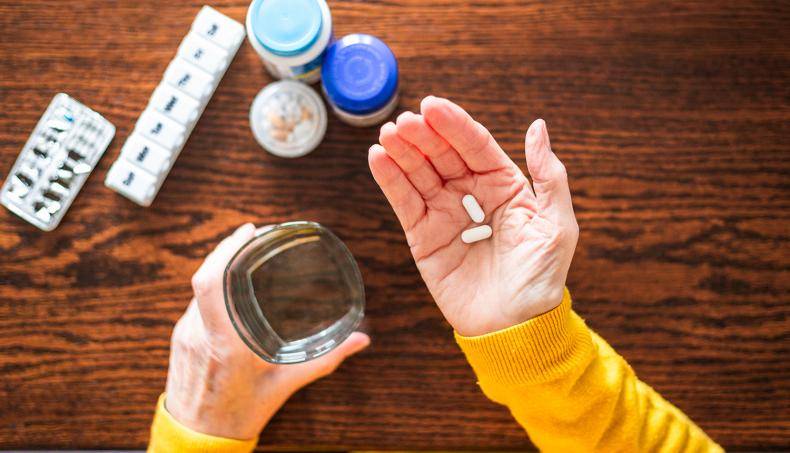
The moment a mesh stent is expanded inside a narrowed coronary artery, your body perceives it as a foreign object. To prevent blood clots from forming directly on the new stent, your cardiologist will prescribe Dual Antiplatelet Therapy (DAPT)—typically a combination of aspirin and a specialized blood thinner like clopidogrel or ticagrelor.
- The Rule: Never miss a single dose, and never discontinue these medications without explicit instructions from your cardiologist. Stopping blood thinners prematurely is one of the leading causes of sudden stent thrombosis (clotting).
2. Physical Activity: Gradual and Monitored
While you need to rest the access site (groin or wrist) for the first few days to avoid bleeding, staying entirely sedentary is counterproductive for your heart. After a brief initial rest phase, light walking is highly encouraged.
- The Progression: Slowly increase your walking duration week by week. Avoid heavy weightlifting, intense straining, or high-impact activities until your physician explicitly clears you during your follow-up appointment.

3.Transitioning to a Heart-Healthy Dietary Framework
A stent fixes a localized blockage in one specific segment of an artery, but it does not cure the underlying vascular disease throughout the body. To prevent new blockages from forming elsewhere, your nutrition must adjust:
- Eliminate Trans Fats: Eliminate deep-fried foods and highly processed snacks that accelerate plaque buildup.
- Emphasize Vascular Antioxidants: Load your meals with leafy greens, berries, nuts, and omega-3 rich fish to reduce arterial inflammation and promote smooth cellular healing over the stent.
4. Recognizing Warning Signs
While minor bruising at the catheter insertion site is normal, you should contact your clinic immediately if you experience an abrupt return of chest tightness, sudden shortness of breath, severe dizziness, or bleeding/swelling at the access site.
Long-Term Support for Your Recovery: A successful stent requires structured follow-up care to ensure optimal healing. Schedule your post-angioplasty review with Dr. Malik Al-Jamzawi in Amman to safely optimize your medications and lifestyle progression.

