


Does a family history of heart disease mean you are destined to face the same? Explore the balance between genetic predispositions and daily lifestyle choices.
One of the most frequent questions patients ask is: “My father had a heart attack at a young age; am I destined to have one too?” It is a valid fear. Seeing a parent or sibling struggle with cardiovascular issues can make heart disease feel like an unavoidable genetic inheritance. But while genetics certainly load the metaphorical gun, it is often daily habits and environmental factors that pull the trigger.
Understanding Genetic Risk Factors
A family history of early heart disease—generally defined as a first-degree male relative (father or brother) diagnosed before age 55, or a female relative (mother or sister) before age 65—indicates a genetic predisposition. Genetics can directly dictate:
- How your liver processes cholesterol (such as Familial Hypercholesterolemia).
- Your baseline structural vulnerability to high blood pressure.
- How easily your blood clots or how your arterial walls handle metabolic inflammation.
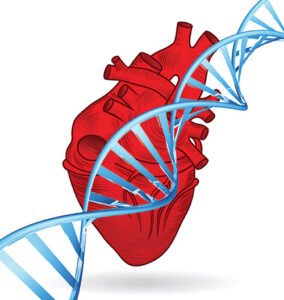
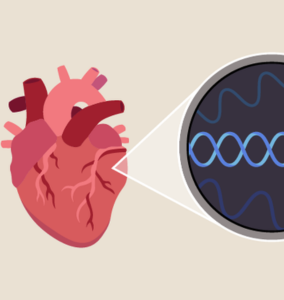
Epigenetics: Why Your Choices Override Your DNA
Having a genetic risk factor does not equal a diagnosis. The field of epigenetics shows that healthy daily habits can actively suppress or alter the expression of inherited risks.
If you inherit a high cholesterol tendency but actively counter it by maintaining a strict plant-forward diet, engaging in 150 minutes of weekly aerobic exercise, and avoiding smoking entirely, you can significantly drive down your absolute clinical risk—often dropping it below that of someone with “good” genetics who practices poor lifestyle habits.
When to Seek Early Screening
If cardiovascular issues run in your family, you should not wait for symptoms like chest pain or shortness of breath to appear. Early, proactive diagnostics are your best defense. Routine non-invasive screenings—such as lipid panels, high-sensitivity C-reactive protein (hs-CRP) checks, baseline electrocardiograms (ECGs), and stress testing—allow cardiologists to catch subtle vascular shifts before they escalate into emergencies.
Rewrite your cardiovascular future: Your family history is a valuable roadmap, not a destination. Contact Dr. Malik Al-Jamzawi’s clinic in Amman today to map out a personalized preventative screening protocol tailored to your family history.

